Net Zero Strategy
- Targets
- Pathway
- Ambition

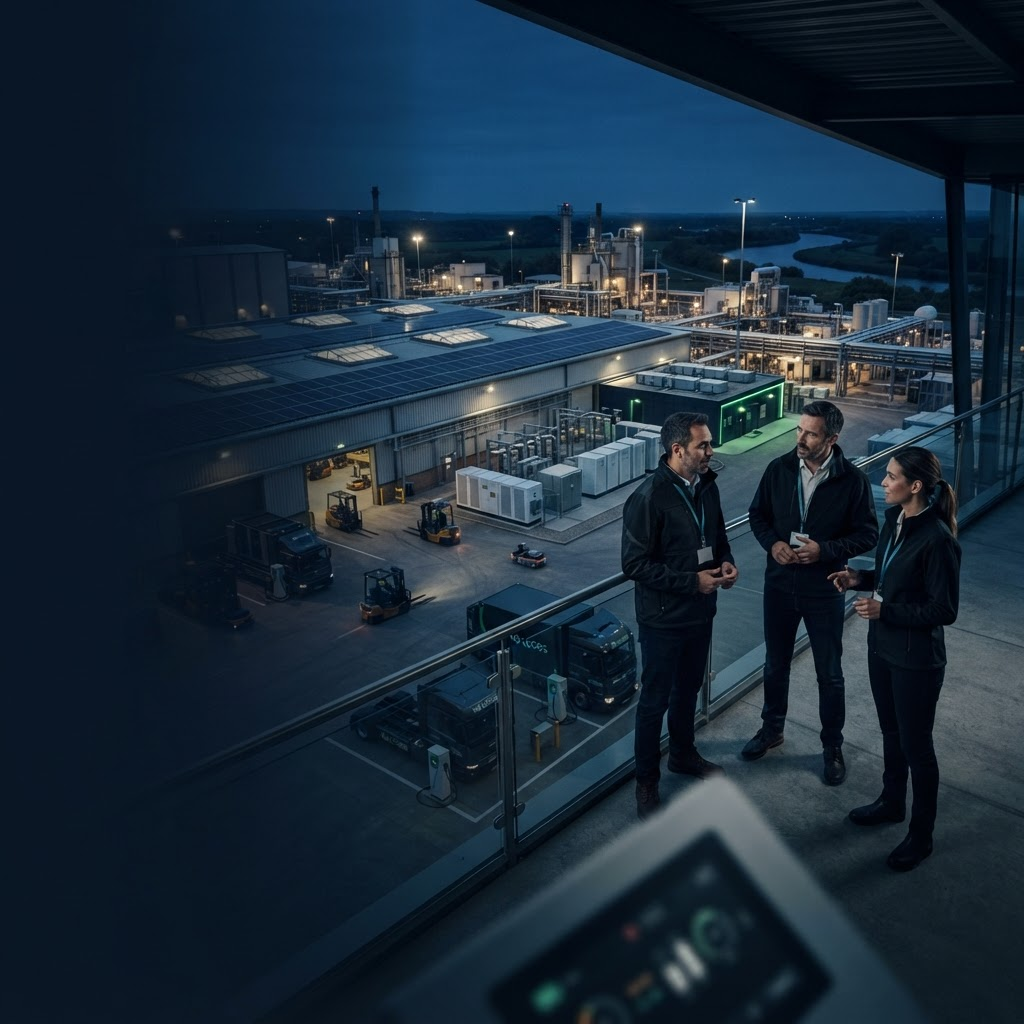
Decarbonization
Measurement tells you where you stand. Decarbonization is the work that changes it. We build costed abatement pathways and then help deliver them across operations, energy and supply chain.
What we do
A decarbonization plan without cost per tonne is a wish list. We quantify each lever so capital goes where it does the most work.
Strategy to execution
Strategy defines the direction. Decarbonisation turns that direction into real operational and investment decisions.
The decarbonisation toolkit
A connected system of practical interventions across buildings, energy, operations, mobility, materials, supply chains and residuals.
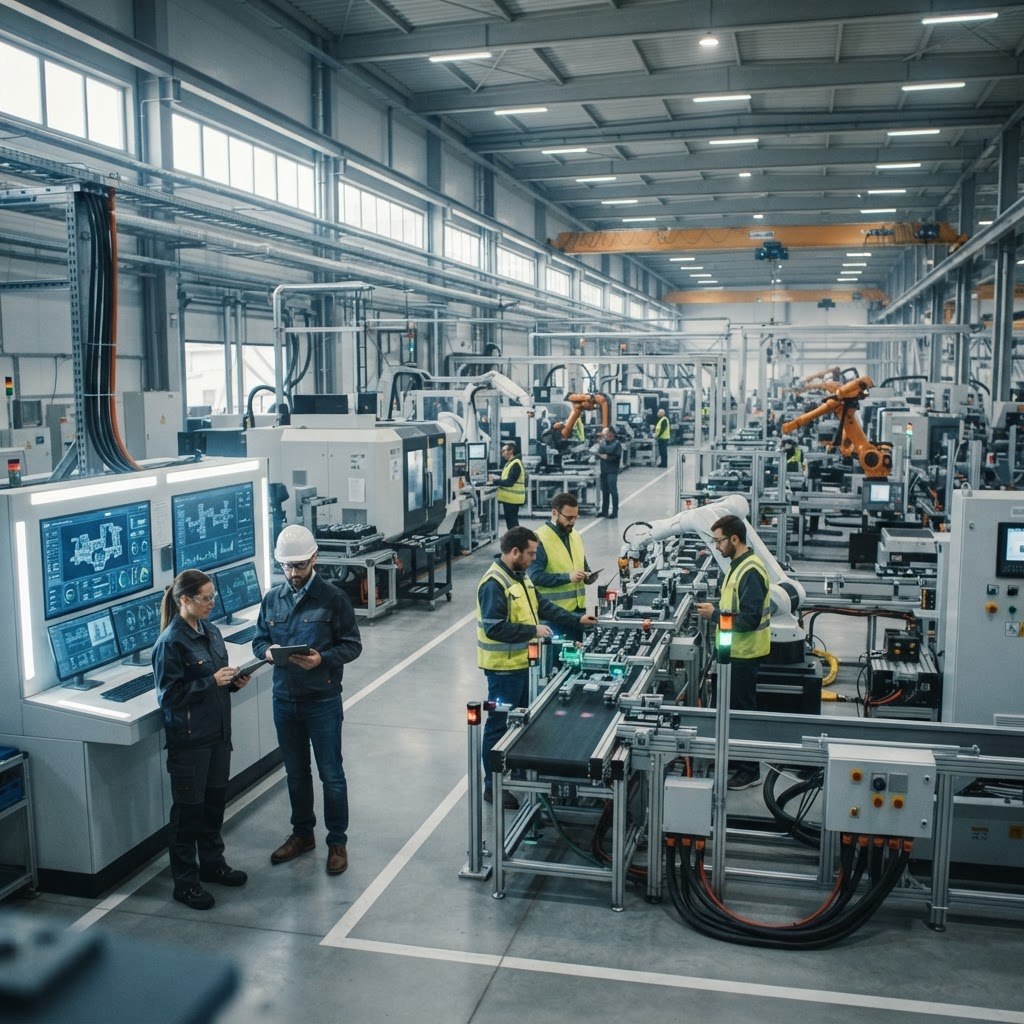
One operating system
Demand, supply, technology and value-chain action working together.
Reduce demand through better systems, equipment and processes.
Improve energy sourcing and increase renewable electricity.
Replace fossil-fuel systems with electric alternatives.
Move toward lower-carbon fuels where electrification is not yet feasible.
Improve industrial processes and operating controls.
Reduce embodied emissions through procurement decisions.
Transition vehicles, logistics and mobility systems.
Improve resource efficiency and circular models.
Execute supplier and Scope 3 reduction programmes.
Address genuinely residual emissions appropriately.
How decarbonisation happens
Decarbonisation is a continuous process of finding opportunities, turning them into practical interventions, implementing them, measuring results and using those insights to drive the next wave of reductions.
Find where reduction is possible.
Energy · Buildings · Operations
Choose what needs to change.
Efficiency · Renewables · Electrification
Turn it into an executable initiative.
Scope · Cost · Timeline · Owner
Put the solution into operation.
Vendors · Deployment · Tracking
Track actual performance.
Baseline · KPIs · Actuals
Quantify the emissions avoided.
tCO₂e · MWh · Renewables
Use results to identify what comes next.
Optimise · Prioritise · Repeat
The loop continues
Measured results reveal the next reduction opportunity.
Move from strategic intent into measurable execution.
Operational decarbonisation
Connect each source to a practical intervention and an observable outcome.
Building energy → HVAC optimisation → lower demand
Electricity use → renewable sourcing → cleaner supply
Fleet fuel → electrification → fuel avoided
Equipment and heat → process optimisation → lower emissions
Material loss → circularity → improved resource efficiency
Supply chain decarbonisation
Execute value-chain reduction through procurement choices, supplier programmes, materials, logistics and product lifecycle interventions.
Suppliers
Procurement
Materials
Manufacturing
Logistics
Customers / Product use
Industry-specific execution
The emissions sources, interventions and implementation constraints change by operating context.
Key emission sources
Energy + process emissions + materials
Typical intervention areas
Efficiency + electrification + process optimisation
Implementation priorities
Prioritise production-critical interventions
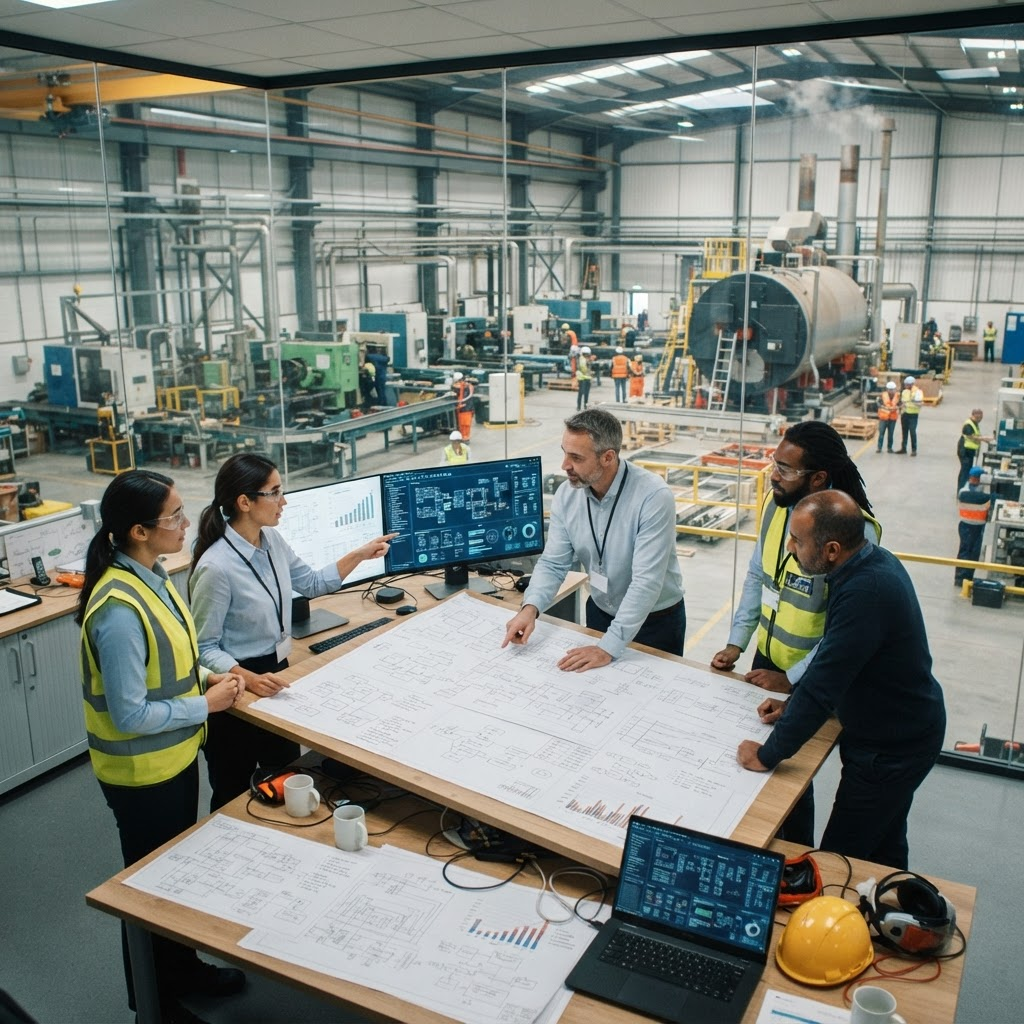
Implementation support
BNZ Green supports planning, technical evaluation, vendor coordination, programme management, KPI tracking and change — while keeping delivery roles explicit.
Scope and responsibilities
Technical solution
Technology and partners
Execution coordination
KPIs and progress
Next intervention
Measurement & verification
Track initiative-level performance and compare expected outcomes with actual results. Every number shown below is illustrative, not a BNZ Green client result.
Illustrative annual emissions
1,240 → 790 tCO₂e
Projects underway
12
Illustrative
Emissions reduced
450 tCO₂e
Illustrative
Energy saved
620 MWh
Illustrative
Projects on track
10 / 12
Illustrative
What you receive
A practical operating system for moving interventions into implementation and measurable improvement.
Prioritised initiatives, timelines and responsibilities.
Specific interventions across operations and value chain.
Investment requirements, expected impact and implementation considerations.
Execution framework, owners, milestones and KPIs.
Track expected versus actual emissions reductions.
Decarbonisation
Let’s identify the initiatives that can make the biggest difference and build a practical path to implementation.
Helping organizations reduce emissions and accelerate Net Zero across businesses, infrastructure, industries, events, and products.
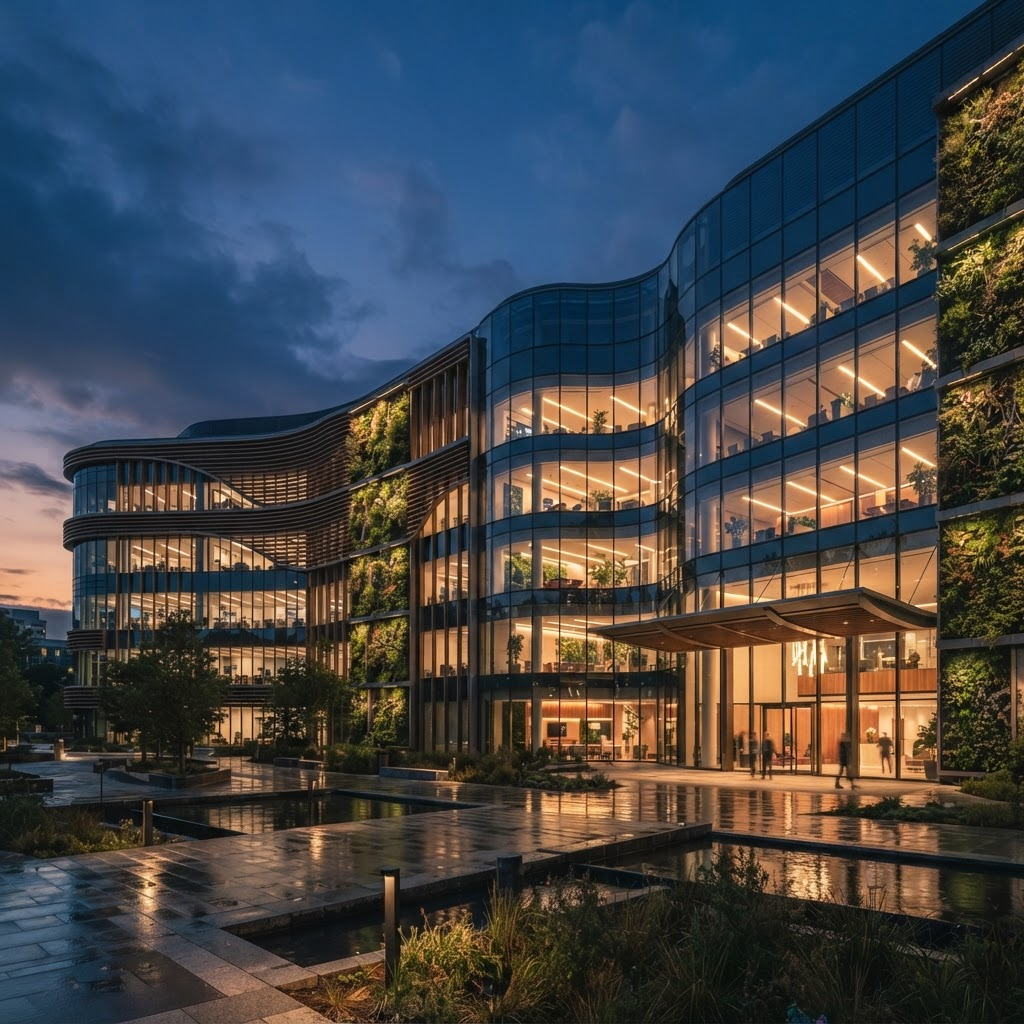
Helping enterprises measure emissions, build Net Zero roadmaps, and achieve long-term sustainability goals.
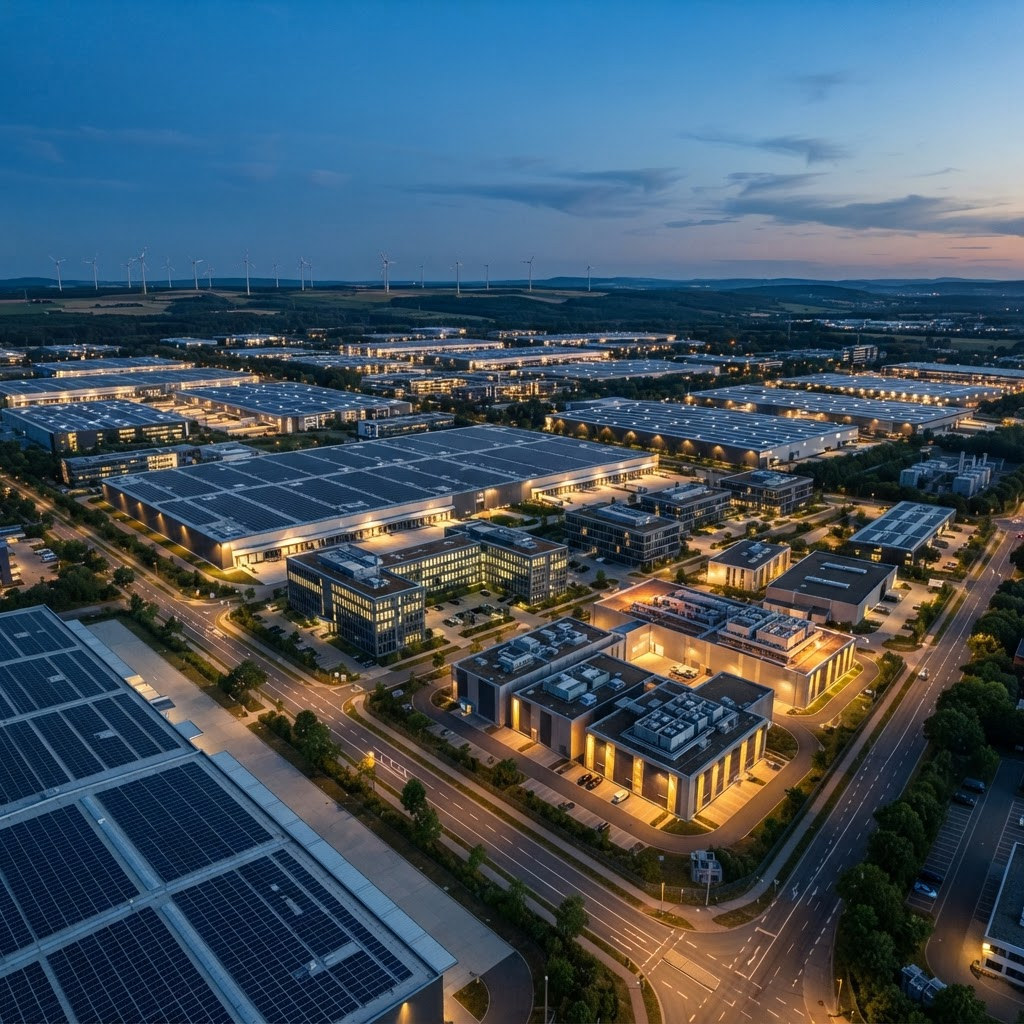
Transform physical infrastructure through energy efficiency, carbon reduction, and sustainable operations.
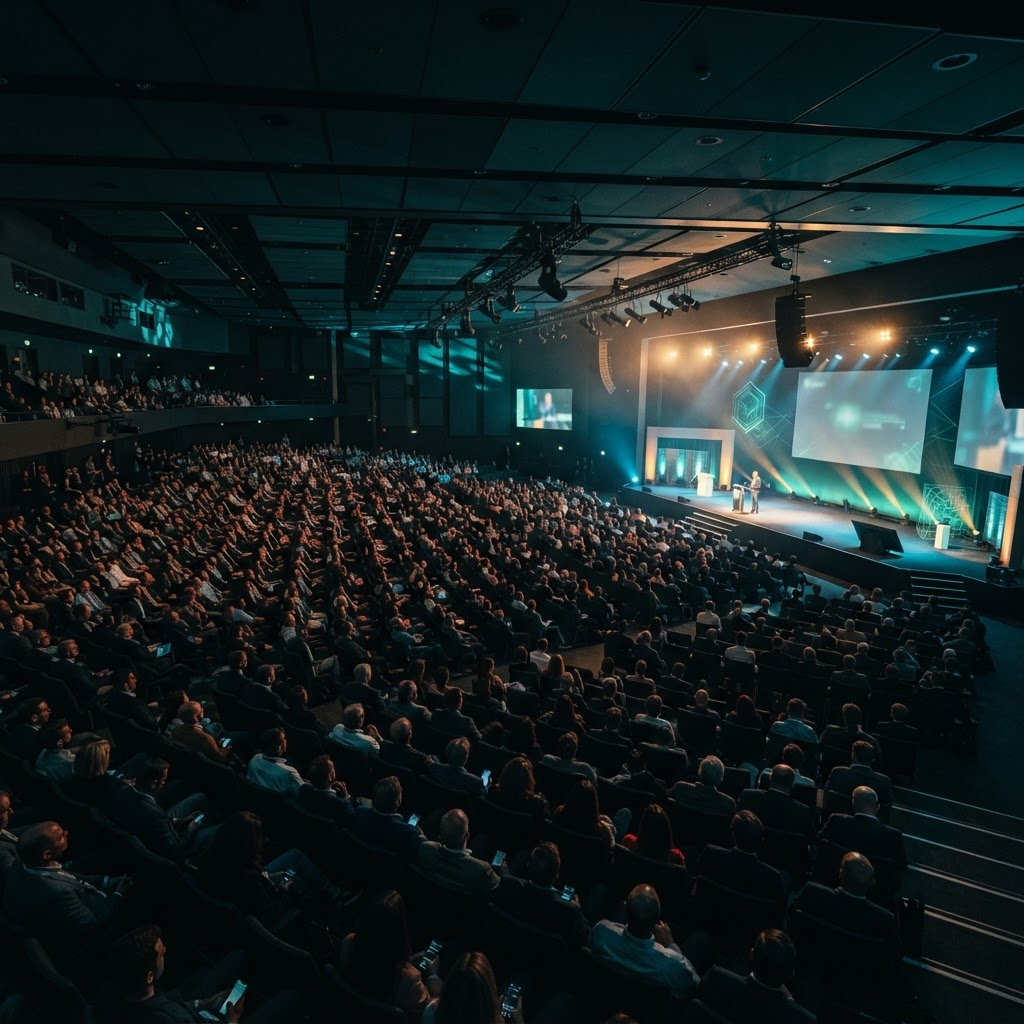
Measure, reduce, and offset emissions for events of every scale.
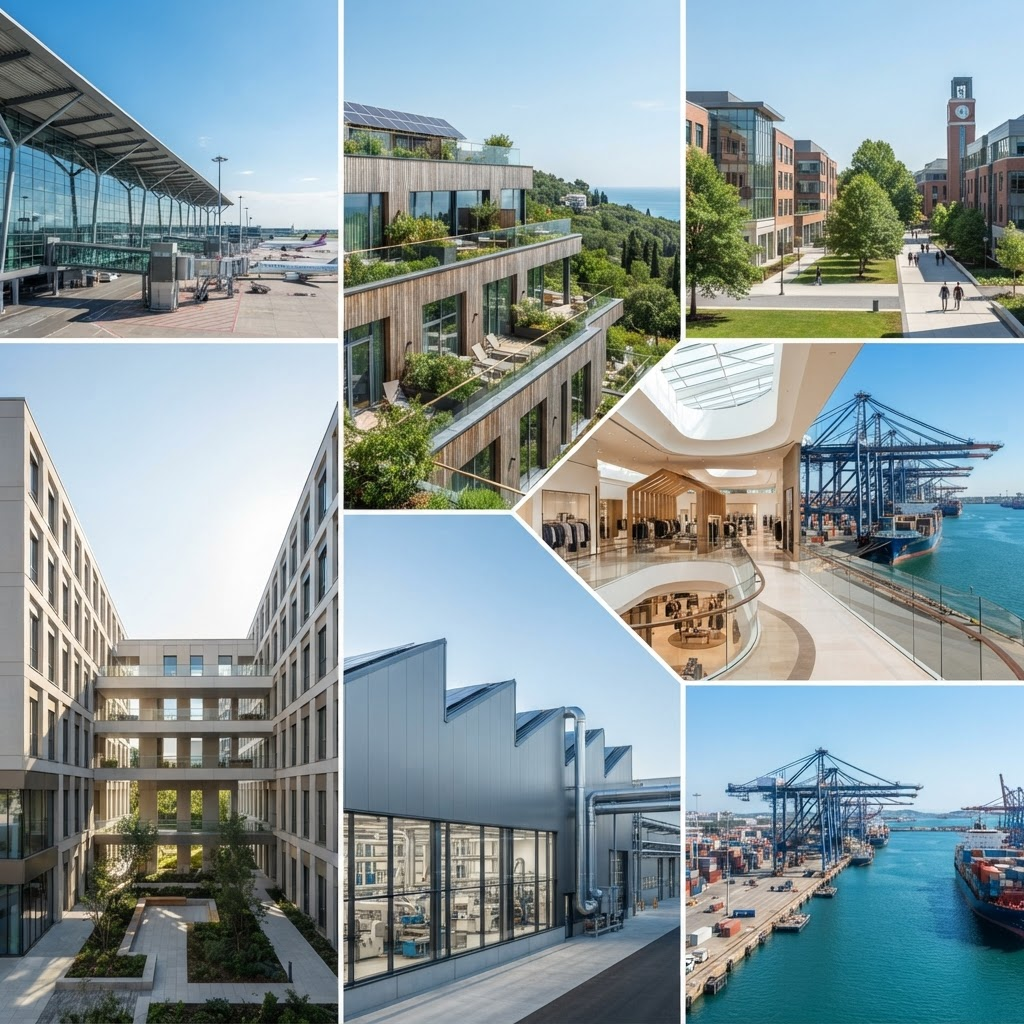
Industry-specific decarbonization pathways tailored to operational needs and regulatory requirements.

Measure and reduce product lifecycle emissions while designing low-carbon products for the future.
BNZ Green
Integrated climate technology
Every pathway is powered by BNZ Green's integrated climate technology ecosystem — connecting data, strategy and verified action.
Talk to our team about where you are today and the fastest credible route to your targets.