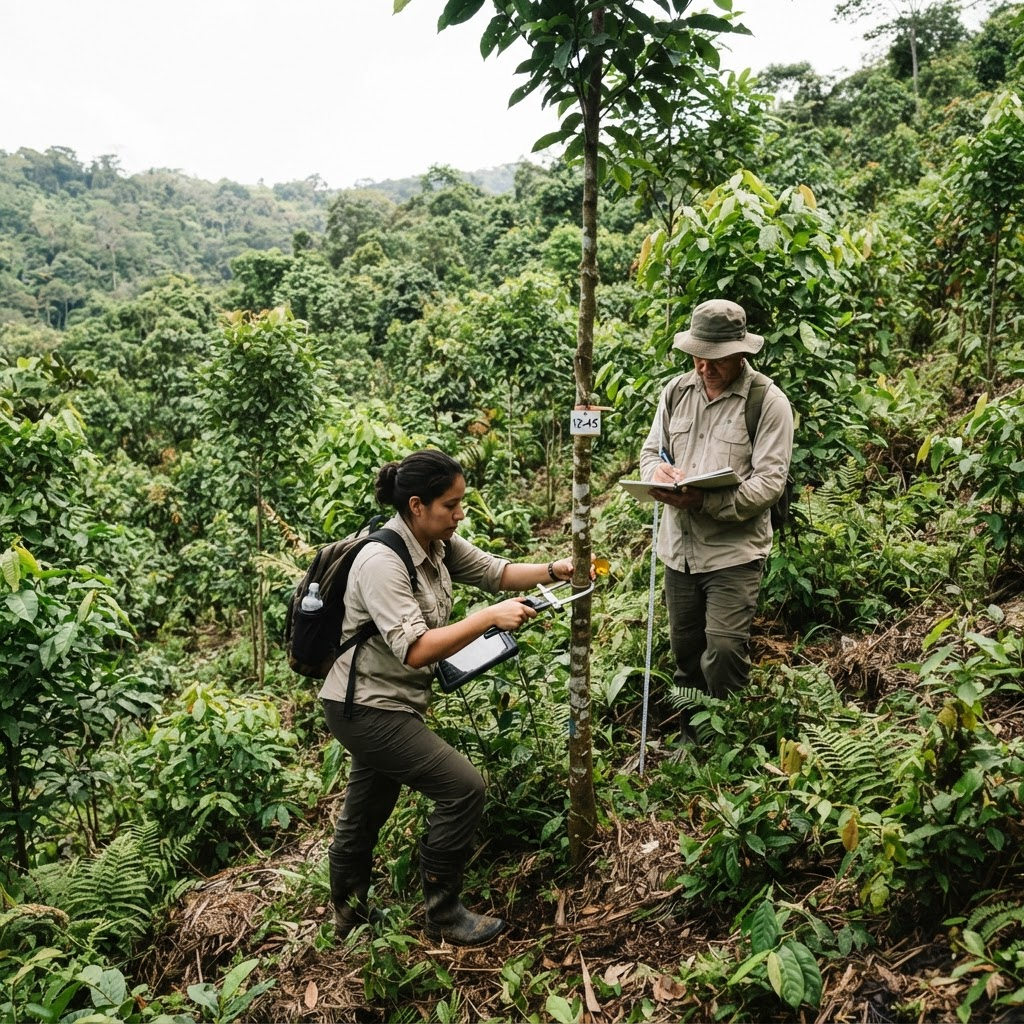
Carbon Credits
Environmental instruments representing verified climate-related outcomes from eligible projects.
- Forest restoration
- Renewable energy
- Methane reduction

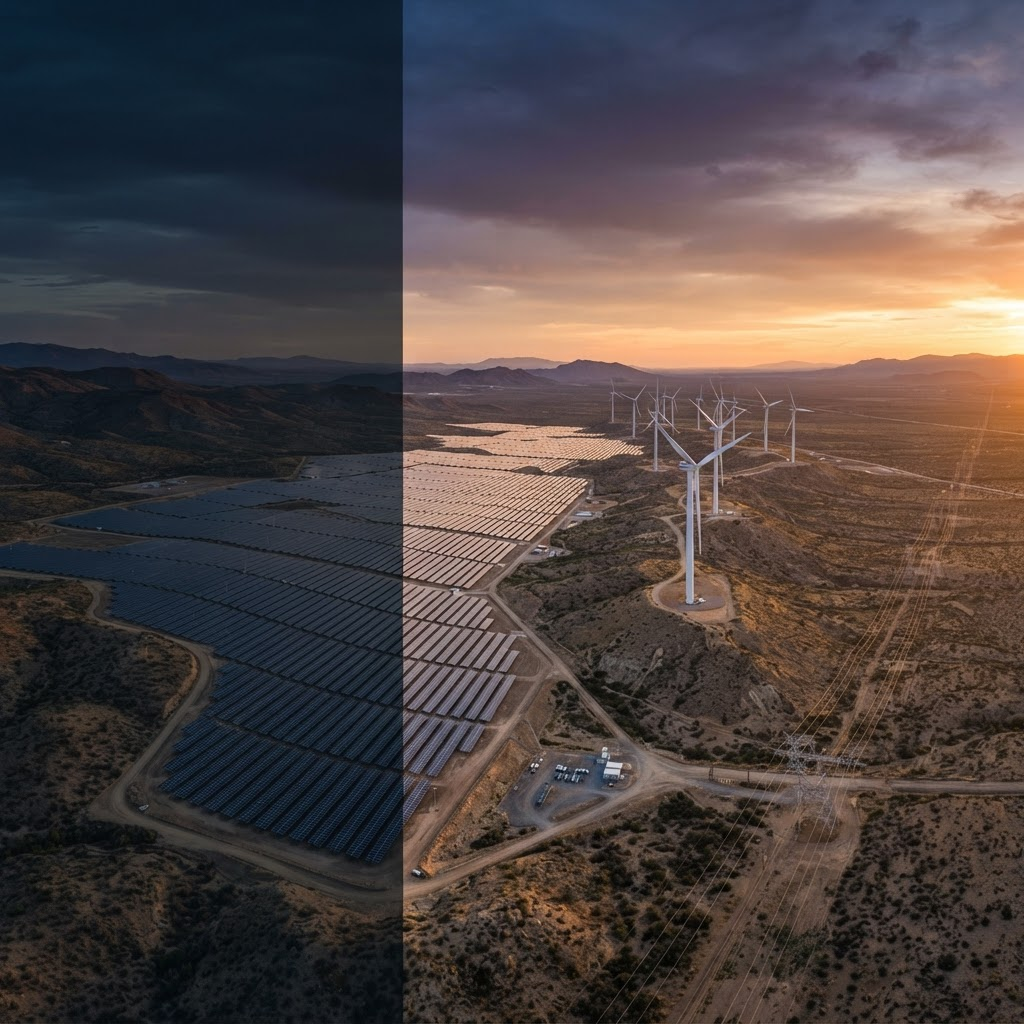
Environmental Assets
Reduce emissions first. Then, where appropriate, use high-quality environmental assets to address residual emissions, renewable energy requirements and environmental obligations.
Where this page fits
For organisations already reducing emissions that now need to make informed decisions about environmental assets — and manage them responsibly once acquired.
The role of environmental assets
Environmental assets complement decarbonisation. They do not replace it.
Avoid emissions where possible.
Implement operational and technological changes.
Move toward lower-carbon energy, processes and systems.
Where appropriate, manage residual emissions or environmental obligations through suitable environmental assets.
Document transactions, retirement and relevant outcomes.
Environmental assets are the last step, not the first. They address what genuinely remains once reduction has been pushed as far as practical.
Asset classes
Each addresses a distinct corporate requirement, so the starting point is always the objective.
Environmental instruments representing verified climate-related outcomes from eligible projects.
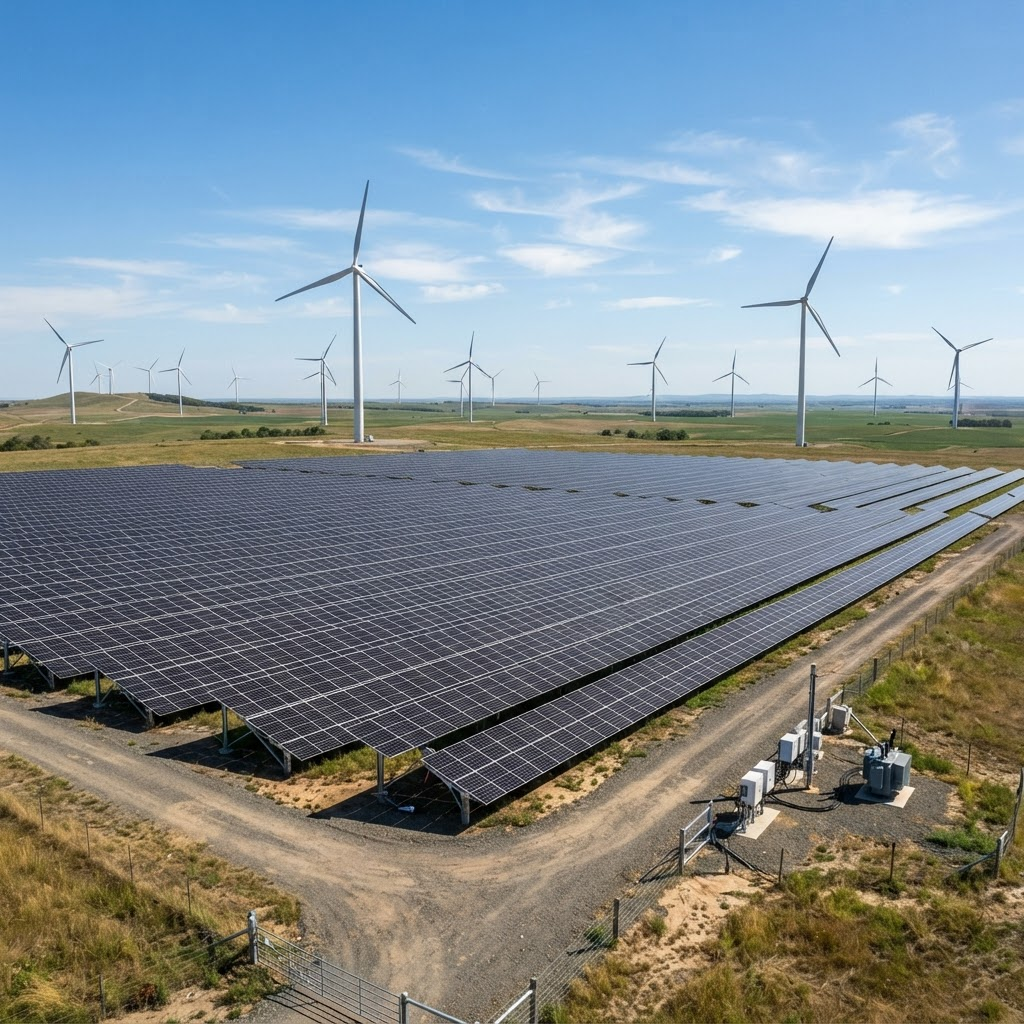
Renewable Energy Certificates representing renewable electricity attributes.
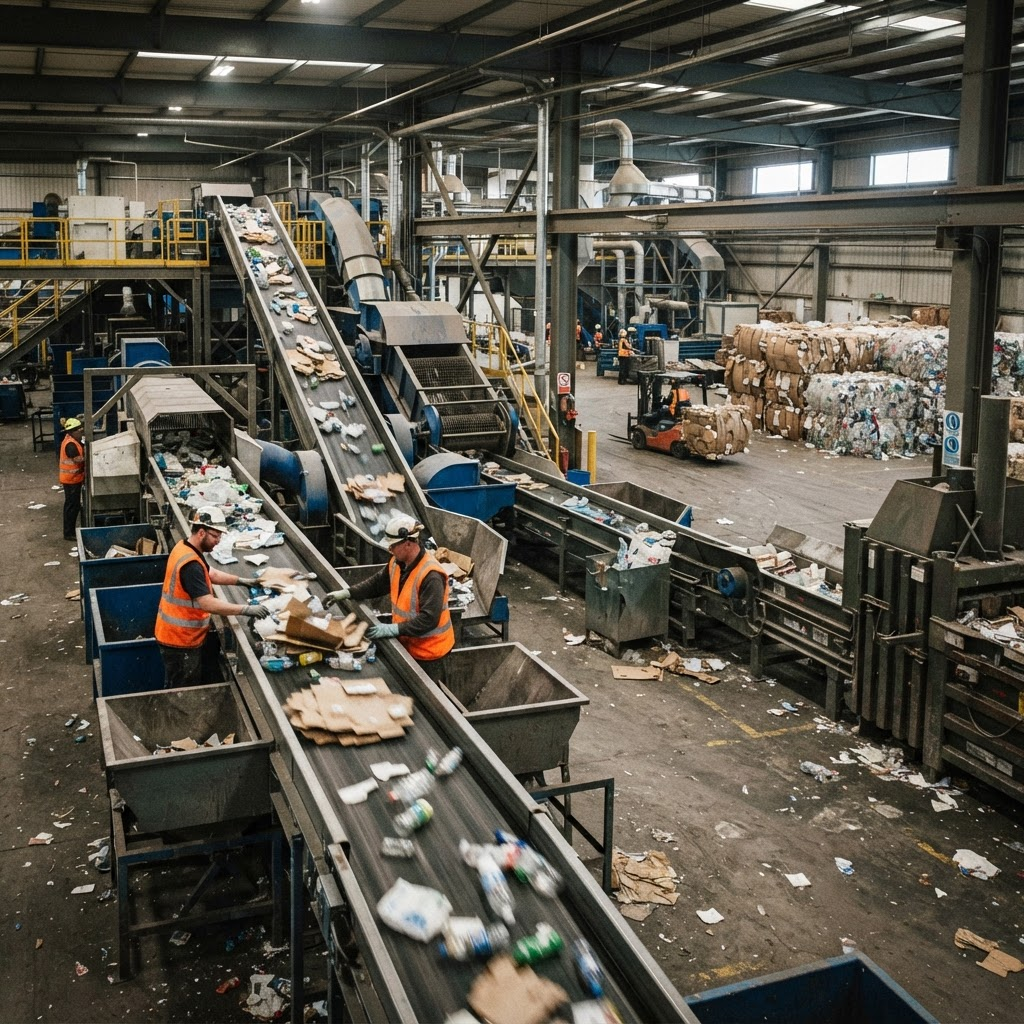
Environmental assets associated with applicable extended producer responsibility obligations.
Choosing the right asset
Start from the requirement, then work outward to the asset class and the factors that matter most.
Recommended direction
Carbon assets
Address residual emissions through verified project outcomes.
Factors weighted most heavily
Indicative guidance only. Final selection depends on your specific requirement and the assets available at the time.
Evaluation factors we work through
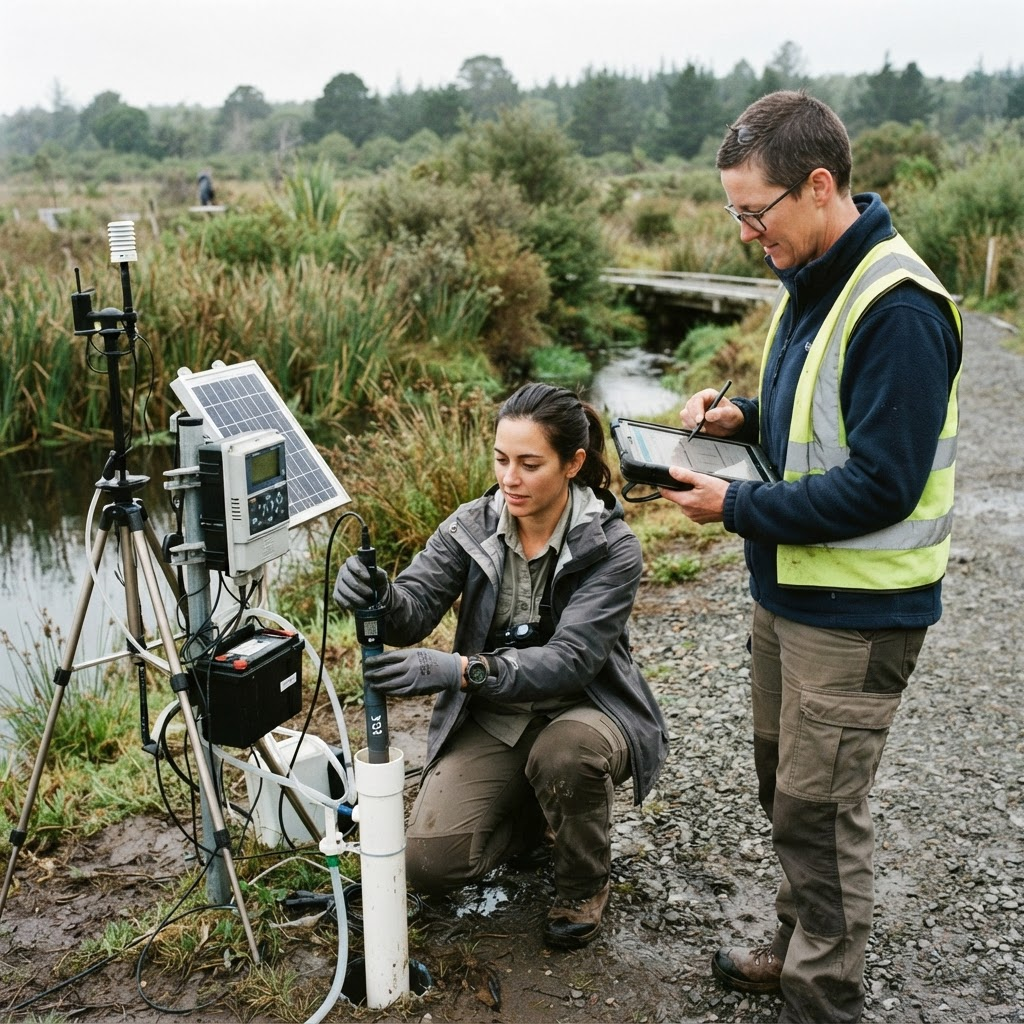
Not every asset is the same
Environmental assets can differ significantly in origin, methodology, quality, documentation and suitability. BNZ Green helps organisations evaluate assets against their specific requirements.
From requirement to retirement
A managed lifecycle, not a series of disconnected purchases.
Understand the company’s requirement.
Identify suitable environmental assets.
Assess quality, provenance and suitability.
Find and procure appropriate assets.
Manage ownership and transaction processes.
Retire or cancel assets where applicable.
Maintain evidence for reporting and internal records.

Portfolio management
Holdings tracked by type, quantity, registry, vintage, geography, status and retirement. Every figure shown below is illustrative.
Environmental Asset Portfolio
Illustrative dashboard| Asset type | Quantity | Registry | Vintage | Geography | Status | Acquisition | Retirement |
|---|---|---|---|---|---|---|---|
| Carbon Credits | 12,000 | International registry | 2023 | India | Held | Q1 | Pending |
| Carbon Credits | 6,500 | International registry | 2022 | Southeast Asia | Retired | Q3 | Documented |
| I-RECs | 18,000 MWh | I-REC registry | 2024 | India | Held | Q2 | Scheduled |
| EPR Credits | 2,400 t | National system | 2024 | India | Retired | Q2 | Documented |
Portfolio composition
Acquired vs retired
Asset classes held
3
Illustrative
Awaiting retirement
2 lines
Illustrative
Registries in use
3
Illustrative
Retirement due
Next quarter
Illustrative
Advisory to transaction
Once the right environmental asset has been identified, BNZ X provides infrastructure for sourcing and transacting environmental commodities.

Responsible use
Environmental assets are not a substitute for operational decarbonisation. They work when the reduction programme is already doing its job.
Where environmental assets fit
Environmental assets sit after reduction and before communication.
Know your footprint
Define the transition
Reduce emissions
Manage appropriate residuals
Document and communicate progress
Industry applications
The requirement changes with the sector, the energy profile and the regulatory context.
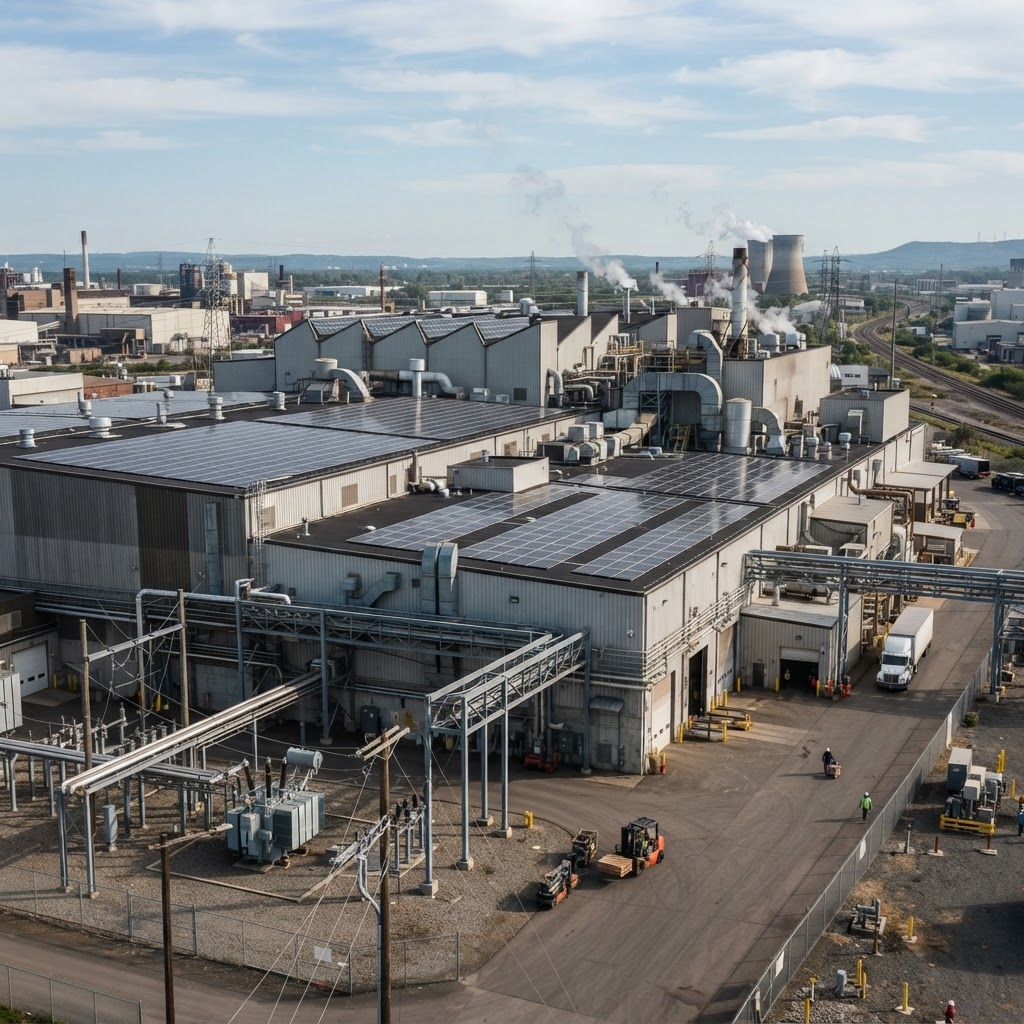
Renewable electricity attributes, carbon assets and environmental compliance.
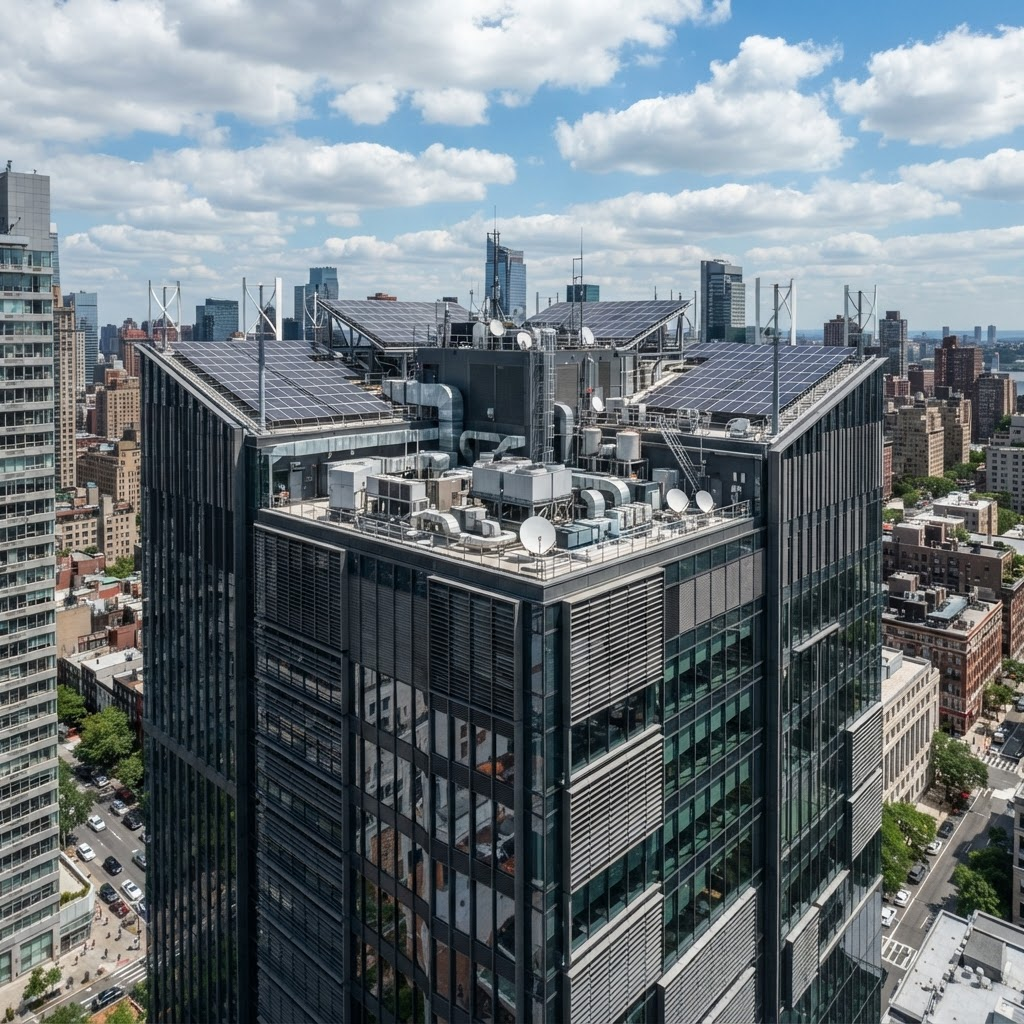
Renewable energy attributes and building-related climate objectives.
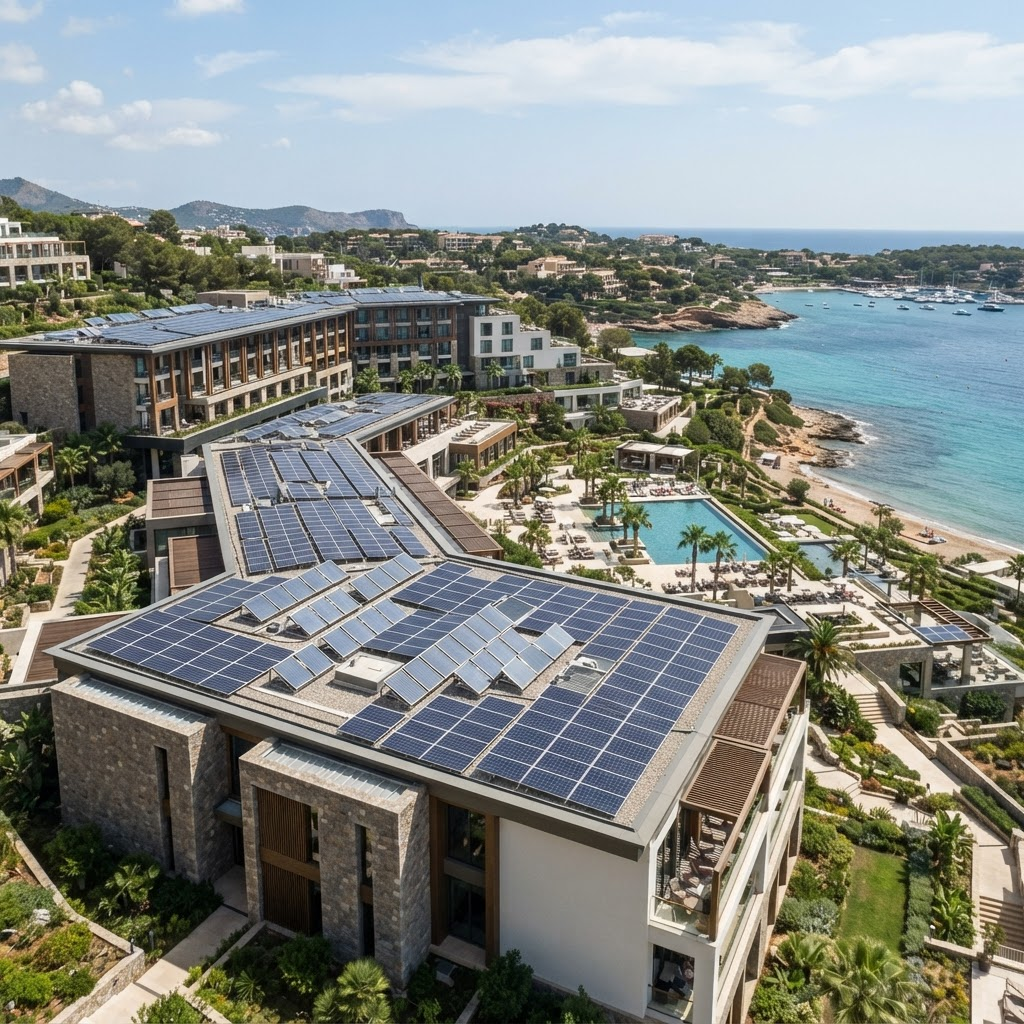
Renewable electricity, carbon programmes and environmental claims.

EPR requirements and broader environmental asset strategies.

Portfolio requirements and climate contribution strategies.
Why BNZ Green
Environmental assets considered within the broader corporate climate context, not as isolated transactions.
Environmental assets considered within the broader corporate climate context.
Understanding of environmental commodity markets.
Digital infrastructure supporting environmental asset transactions and management.
Focus on documented ownership, transfer and retirement.
Advisory, evaluation, sourcing, transaction and lifecycle support.
Carbon Credits, I-RECs and EPR credits.
What BNZ Green can help with
Identify environmental assets aligned with your requirements.
Evaluate options based on quality, purpose and suitability.
Review project, registry, methodology and documentation.
Help identify and source suitable environmental assets.
Support acquisition, transfer and retirement processes.
Help organisations organise and monitor environmental asset holdings.
Questions
Environmental assets are instruments that represent a verified environmental attribute or outcome — such as carbon credits, renewable energy certificates (I-RECs) and EPR credits — which organisations use to address residual emissions, renewable electricity requirements or applicable environmental obligations.
Carbon credits represent verified climate-related outcomes from eligible projects. I-RECs represent the attributes of renewable electricity generation. They answer different questions, so they are not interchangeable.
No. Direct reduction comes first. Environmental assets are appropriate for residual emissions and specific environmental requirements — see our Decarbonisation and Net Zero Strategy pages for the reduction pathway.
We review the underlying project activity, issuing registry, quantification methodology, vintage, ownership, traceability, retirement evidence and whether the asset is suitable for the intended use.
Yes. We help identify and source suitable carbon assets, I-RECs and EPR credits, and support the acquisition, transfer and retirement process.
BNZ X is BNZ Green’s marketplace infrastructure for sourcing and transacting environmental commodities. Advisory and due diligence come first; BNZ X supports the transaction once the right asset is identified.
Yes. Holdings can be tracked by asset type, quantity, registry, vintage, geography, status and retirement so requirements are managed systematically instead of through disconnected transactions.
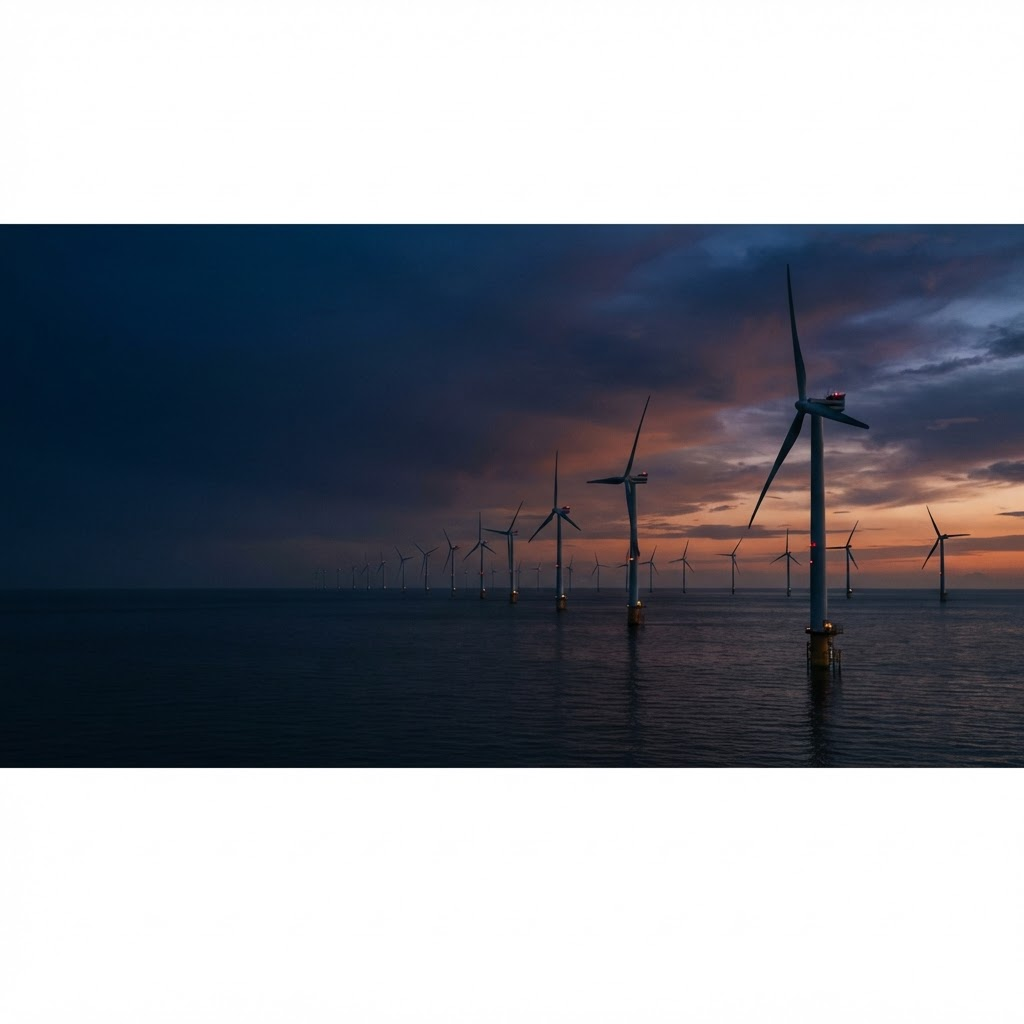
Environmental assets
From selecting the right asset to evaluating, sourcing, transacting and managing it, BNZ Green helps organisations make informed environmental asset decisions.